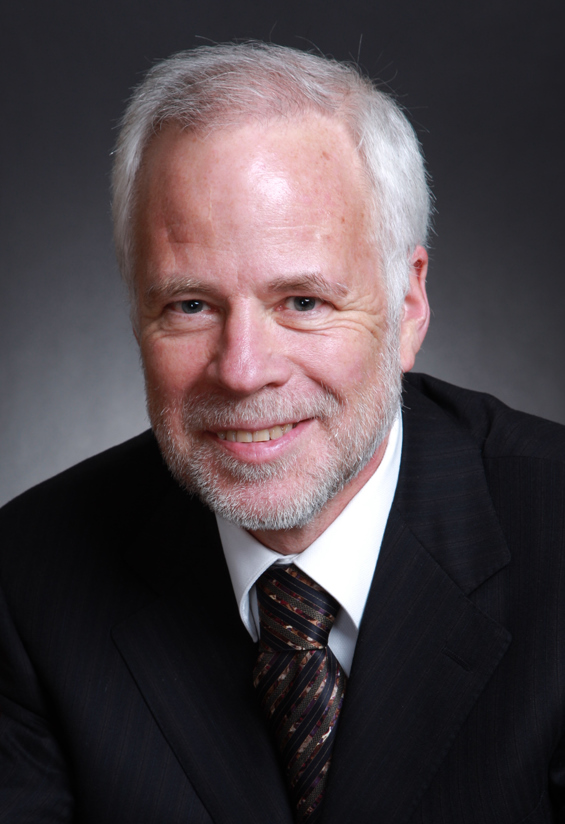
127: Barry Eichengreen on the Importance of Economic History, the IMF and Reserve Currencies
Barry Eichengreen is Professor of Economics and Professor of Political Science at the University of California, Berkeley, where he has taught since 1987, and Professor of American History and Institutions, University of Cambridge.
Professor Eichengreen is a Research Associate of the National Bureau of Economic Research and Research Fellow of the Centre for Economic Policy Research.
Professor Eichengreen has been a fellow of the Center for Advanced Study in the Behavioral Sciences (Palo Alto) and the Institute for Advanced Study (Berlin). He is a regular monthly columnist for Project Syndicate.
His most recent books are How Global Currencies Work: Past, Present, and Future with Livia Chitu and Arnaud Mehl, The Korean Economy: From a Miraculous Past to a Sustainable Future with Wonhyuk Lim, Yung Chul Park and Dwight H. Perkins and Exorbitant Privilege: The Rise and Fall of the Dollar and the Future of the International Monetary System (2011) (shortlisted for the Financial Times and Goldman Sachs Business Book of the Year Award in 2011).
Professor Eichengreen is the recipient of a doctor honoris causa from the American University in Paris, and the 2010 recipient of the Schumpeter Prize from the International Schumpeter Society.
Importance of Economic History
“One of my motivations for studying economic history is the belief that the past can inform the present” Professor Eichengreen
In this episode you will learn:
- Whether we can learn from economic history and whether history can repeat itself.
- The importance of history in institutions.
- Why the economics discipline suffers from “academic schizophrenia”.
- The problems of the IMF as an organisation today.
- How the IMF can change for the better.
- The IMF letters to Ireland regarding its bailout.
- The tensions regarding the rise of China and the isolation of the United States.
- Is there room for only one reserve currency or can we have more than one?
- Advice Professor Eichengreen would give to the Chinese if they wish to establish the Renminbi as a reserve currency.
- Does Bitcoin meet the criteria to be regarded as money?
- About Clarence Hatry and how he contributed to the stock market crash of 1929.
Economists:
In this episode, Professor Eichengreen mentions: Charles Kindleberger (MIT), John Maynard Keynes, Benjamin Strong and Montagu Strong.
Economics:
In this episode, Professor Eichengreen mentions: economic history, financial markets, institutional framework, monetary policy, central banks, cryptocurrencies, blockchain, function of money, central banks, King’s College, Cambridge
Writing Tips:
1) Read critically. Find someone whose writing you admire and try to figure out what makes it work.
2) Keep it simple. Shorter declarative sentences are better and you can always make them shorter and more declarative.
3) Revise. No sentence or paragraph is perfect or even adequate the first, second, third, fourth or fifth. Go around.
4) Practice. One’s writing tends to get better the more that you do.
Work Habits:
“I do better when it’s quiet and when there are fewer distractions. So I tend to work at home early on the morning and try to avoid my email until I’ve spent some time writing. I can only do serious writing at my desk in my study at home.” Professor Eichengreen
Movie:
- It’s a Wonderful Life
Books:
- Hall of Mirrors by Barry Eichengreen
- How Global Currencies Work: Past, Present, and Future by Barry Eichengreen, Livia Chitu and Arnaud Mehl.
- The Korean Economy: From a Miraculous Past to a Sustainable Future by Barry Eichengreen, Wonhyuk Lim, Yung Chul Park and Dwight H. Perkins.
- Exorbitant Privilege: The Rise and Fall of the Dollar and the Future of the International Monetary System by Barry Eichengreen.
Recommend Book:
- Against the Grain by James C. Scott
Patreon
If you’re a fan of the podcast and would like to show your support in anyway, please check out my Patreon page at www.patreon.com/economicrockstar where you can sign up for any of the awards for as little as $1 a month or you can simply follow me on the Economic Rockstar Facebook page or on Twitter or simply recommend the show to a friend, especially if they have never had the opportunity to study economics.
Podcast: Play in new window | Download